
by Neil Shenvi
Book Review
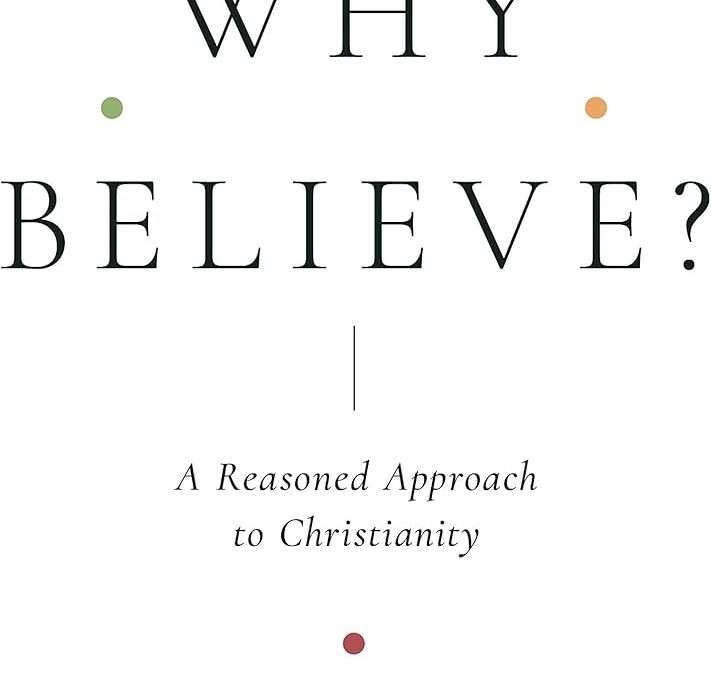
Neil Shenvi has served as a research scientist at universities including both Yale and Duke, and he is well qualified to speak for the intersection of modern research science and historic Christianity. In a very real sense, he is committed to both. But he is a deeply committed Christian who wants to assist other Christians in appreciating, embracing, and defending Christian truth in an age of increasing unbelief and intellectual hesitancy. Shenvi organizes this book around some of the major theological and apologetic questions of our day, effectively clustering many of these questions and issues in a way that is quite helpful.
Preachers will find this volume to be particularly helpful because Shenvi offers an alternative to a dry and dispassionate consideration of urgent theological, apologetic, and moral questions. He writes as a committed Christian, but he treats challenges to Christianity with the intellectual respect that they are due, Shenvi understands that nothing less than the integrity of Christianity is at stake as we consider these apologetic questions.
Many of the books dealing with similar questions and offering apologetic assistance are simply too massive to be helpful to pastors. This book is aimed directly at the thinking Christian, the college student or the university graduate student, and the preacher.
“For me, the biggest obstacle to faith in Christ was the realization that it would mean complete and abject intellectual humiliation. Becoming a Christian would mean admitting that the most uneducated, backward, Bible-thumping Christian with a gun rack over his mantel piece and antlers on his pickup truck knew more about God than I did. It would mean that all my carefully constructed spiritual-but-not-religious beliefs would have to be abandoned and that I’d have to enter God’s presence like a little child. It was terrifying. But I remember telling God: ‘I don’t know who you are anymore. I don’t even know if Jesus is your Son. But if he is, I’m willing to follow him.’ Although I had a long, long way to go theologically, I think that’s the night I became a Christian.”