


1. Workshop Overview
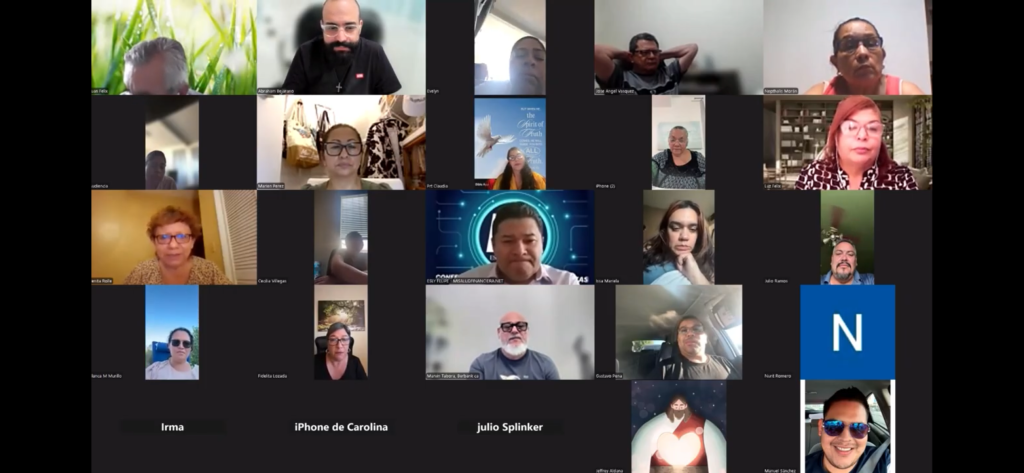
From August 18 to October 6, 2025, the Preaching to the Brokenhearted workshop was held every Monday evening via Zoom. This eight-week training provided a transformative and enriching space for those who love the Word and seek to deepen their preaching ministry.
A total of 38 Latino preachers participated in the workshop, which became a collaborative learning environment where participants, despite the physical limitations of an online format, engaged in mutual communication and cooperation to explore new possibilities of narrative preaching centered on the theme “Preaching to the Brokenhearted.”
2. Learning Objectives and Curriculum
Under the instruction of Professor Abraham Bejarano, the workshop covered the following key topics:
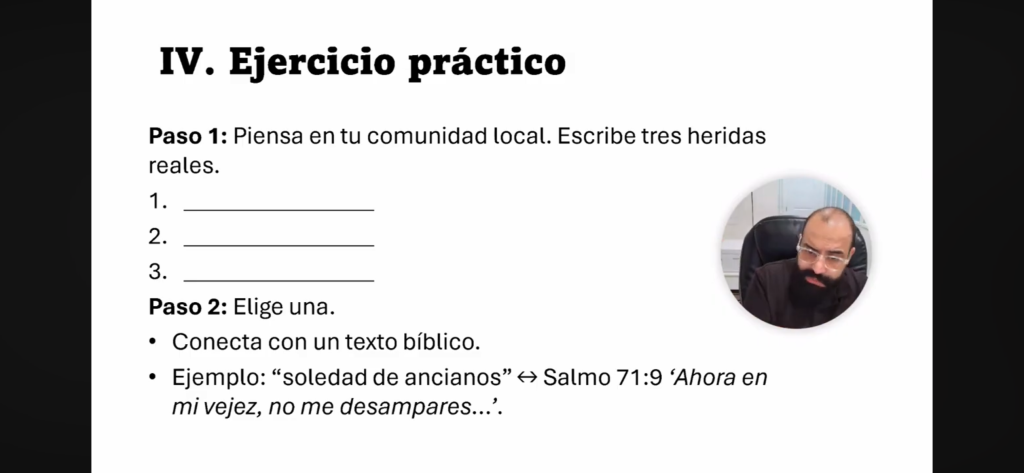
Foundations: The Call to Preach Hope (Luke 4:18) – A Biblical Theology of the Healing Mission; Suffering and the Sovereignty of God: Preaching in Pain (Case Study: Job and Lamentations); The Healing Power of the Gospel: Exegesis of Restoration Texts (Case Study: Ruth and Naomi); Pastoral Diagnosis: Understanding the Wounds of the People; Toward a Contextual Homiletics; The Preacher as an Instrument of Healing: The Heart and Integrity of the Messenger; Constructing the Healing Sermon: From Text to the Wounded Heart – Structure, Illustrations, and Application; and Ministering Healing in a Continuous and Practical Way: The Sermon as Part of a Discipleship Process. The final session included video sermon presentations demonstrating the full process of sermon preparation.
This advanced course in the art and theology of Christian preaching focused on the proclamation of hope and the ministry of healing. Grounded in Luke 4:18, participants explored a biblical theology of suffering and restoration, learning to interpret texts for wounded audiences and develop pastoral preaching skills that foster spiritual, emotional, and relational healing. The course integrated theology of healing, pastoral counseling, and contextual homiletics, equipping participants to move beyond intellectual understanding toward transformative, holistic preaching.
3. Major Outcomes
The workshop achieved a high level of satisfaction and engagement, with over 90% of
participants expressing strong approval of the content, structure, and delivery. Professor Bejarano’s clear, inspiring, and practical teaching was especially praised. The theme, “Preaching to the Brokenhearted,” deeply resonated with participants’ pastoral callings, while the session “Understanding the Wounds of the People” effectively bridged theology and empathy, helping pastors internalize compassion within their preaching.
Participants also appreciated the cultural sensitivity and relevance of the workshop, which reflected the realities of Latino and multicultural ministry. Case studies and testimonies made theological concepts accessible and applicable to real-life pastoral contexts. Many testified to personal renewal and spiritual growth, describing the workshop as “a blessed and transformative experience.”
4. Participant Feedback and Evaluation Findings
Post-workshop surveys revealed meaningful insights and actionable recommendations.
Positive Impact:
This workshop validated WMU’s theological and pastoral vision for preaching as healing, particularly its relevance to Latino and multicultural ministry contexts. It also served as a replicable model of culturally responsive theological education, integrating biblical principles with the lived experiences of diverse communities.
Recommendations:
For future workshops, it was suggested to implement pre- and post-assessment tools to measure changes in participants’ knowledge, empathy, and confidence. Expanding participation to include Korean-, English-speaking, and other minority ministry leaders, along with bilingual survey options, was also recommended to enhance inclusivity. Deeper qualitative feedback could be gathered through open-ended questions, interviews, and focus groups. Additionally, the development of advanced thematic modules such as “Forgiveness,” “Youth and Family Healing,” and “Spiritual Leadership and Character Formation”—as part of an ongoing Preaching and Healing Series—was encouraged to sustain engagement. Finally, publishing workshop highlights through WMU’s newsletter and website was recommended to strengthen visibility and provide data for Lilly and DSLIM Foundation reports, demonstrating WMU’s practical impact in multicultural ministry formation.
5. Conclusion and Future Direction
The Healing and Preaching Workshop successfully fulfilled its mission of forming preachers who minister to both the mind and the heart, leaving a lasting impression through its focus on compassion, contextual understanding, and theological depth.
With minor refinements in assessment design and participant diversity, this workshop has the potential to become a flagship training model for culturally responsive preaching and pastoral healing within WMU’s expanding global ministry initiatives.